
Count What Counts
Porch
This is where we slow down and think about work, and all the stuff that came with it.
Before we change direction, it helps to understand what we’re bringing along.
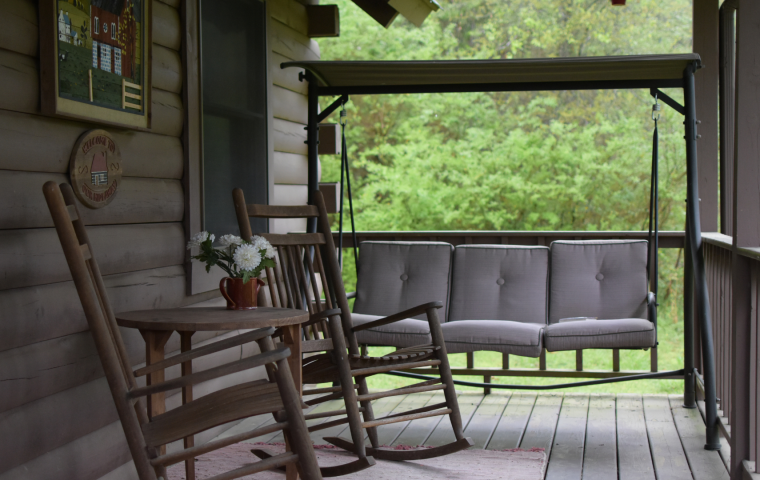
The Morning After
Sit down, rest yourself. Yesterday’s living was hard. Real hard.
When sleep finally came, you took it, and you didn’t even dream.
Morning came. It looks as though you slept all night. No answers yet, only the hint of an idea. Not a good one—just the beginning of one. Still, it’s moving around in your head, and that’s enough to get things stirring.
So… now what?
I could tell you what to do, but let’s walk slowly away from it.
There’s no need to dig around for yesterday’s worst moment. You already know the “oof” I’m talking about—that moment when everything tipped. It’s still a fresh wound. The lessons haven’t had time to arrive.
Some things simply linger after a hard day. They don’t feel fair, and sometimes there’s a reluctance to let them go. The noise returns. The crying. The rapid breathing. Thoughts that never quite finish. The silence. The anger.
It feels like, if it weren’t for this collection of bad feelings, anger itself could be an intelligent experience. At least you could think.
You’re sitting here, and it’s clear the world didn’t magically fix itself overnight.
Neither did you.
But something changed.
Now what?
Let’s begin with one thought.
Take the first thought that surfaces and stay with it.
Your first thought might be:
“I don’t care.”
You don’t care?
Not about coffee?
Not about your dog?
Not about paying the rent?
Not about proving someone wrong?
No.
“I don’t care” often means,
“I can’t carry all of this right now.”
And that’s OK.
The truth takes some of the weight off.
It doesn’t arrive all at once. It slips from slumped shoulders. It’s whispered more than thought, and the hope it brings is muddled at first.
We get tired, and “I don’t care” is often the language exhaustion borrows.
Your second thought might be:
“I don’t know what to do.”
The truth is, it’s often true.
This is where things can get dicey, where we forget the resting place we found in the first thought. We may find ourselves rummaging through a bag of discards, pulling out something we once attempted and calling it “trying.”
Yet, not knowing what to do doesn’t need action—it wants answers.
Sitting with the dilemma makes room for them.
When we don’t know what to do, we sometimes try to fill in the answer by figuring things out, finding, and fixing every scratch, dent, and tear. Stillness feels insufficient, and the opportunity it provides is often missed.
Not knowing what to do is common—far more common than immediate answers. The danger is that this state can become steadfast inertia, or drift into wishful thinking, all before the “oof” of the moment has settled.
Pause
You’re not wasting time.
You’re thinking. There’s a difference.